Development of the area on the right bank of the Kazanka River
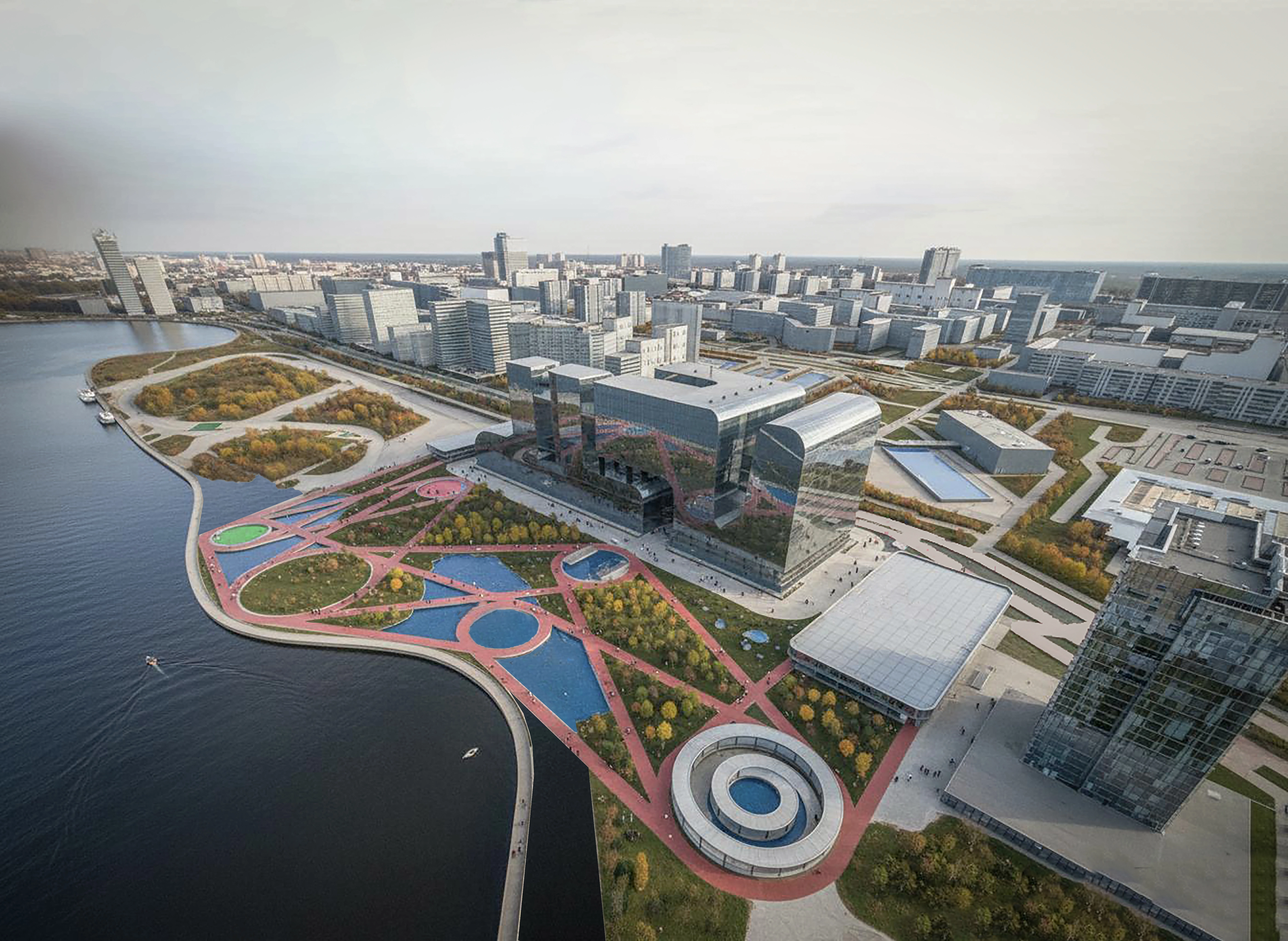
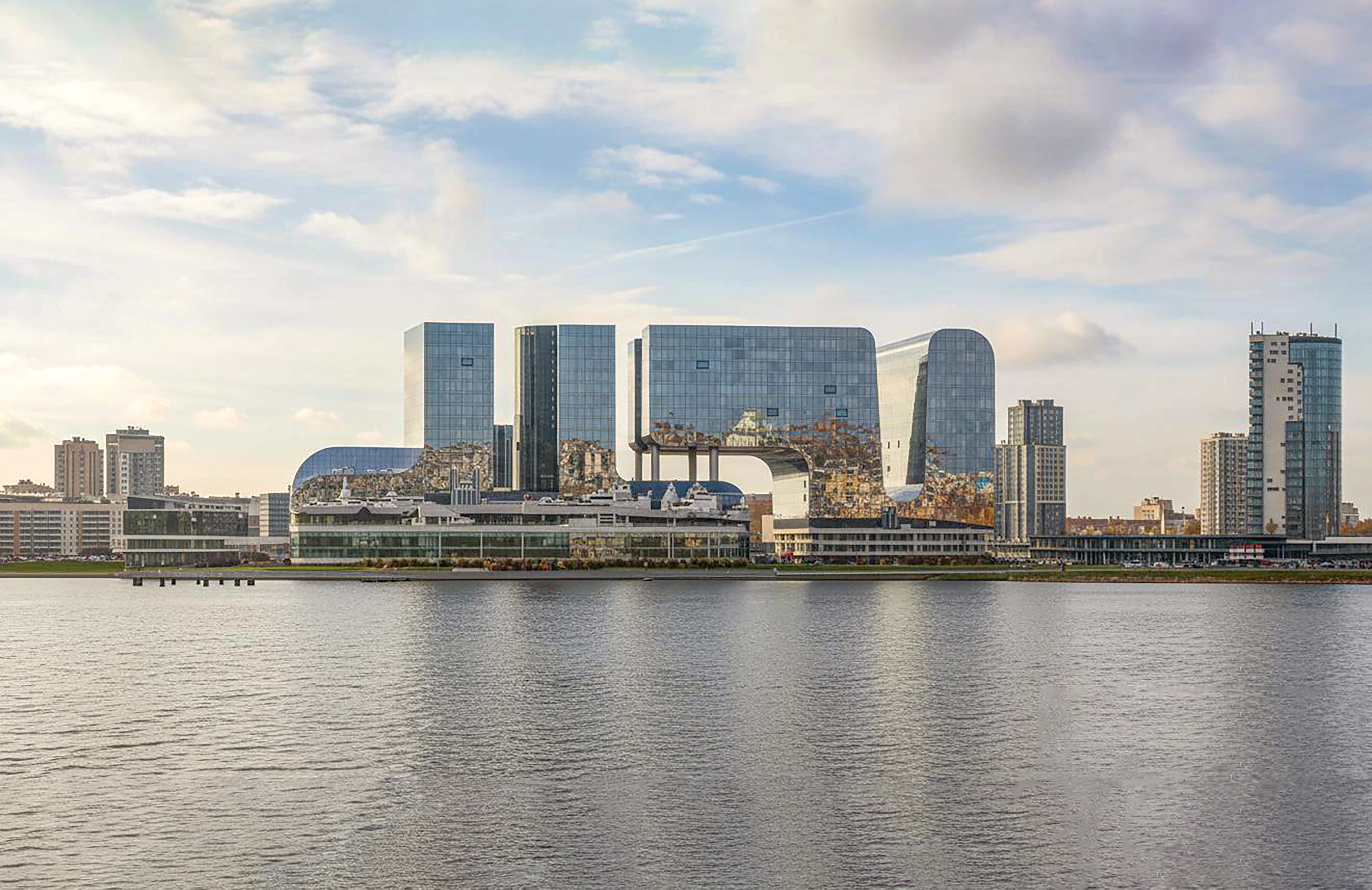
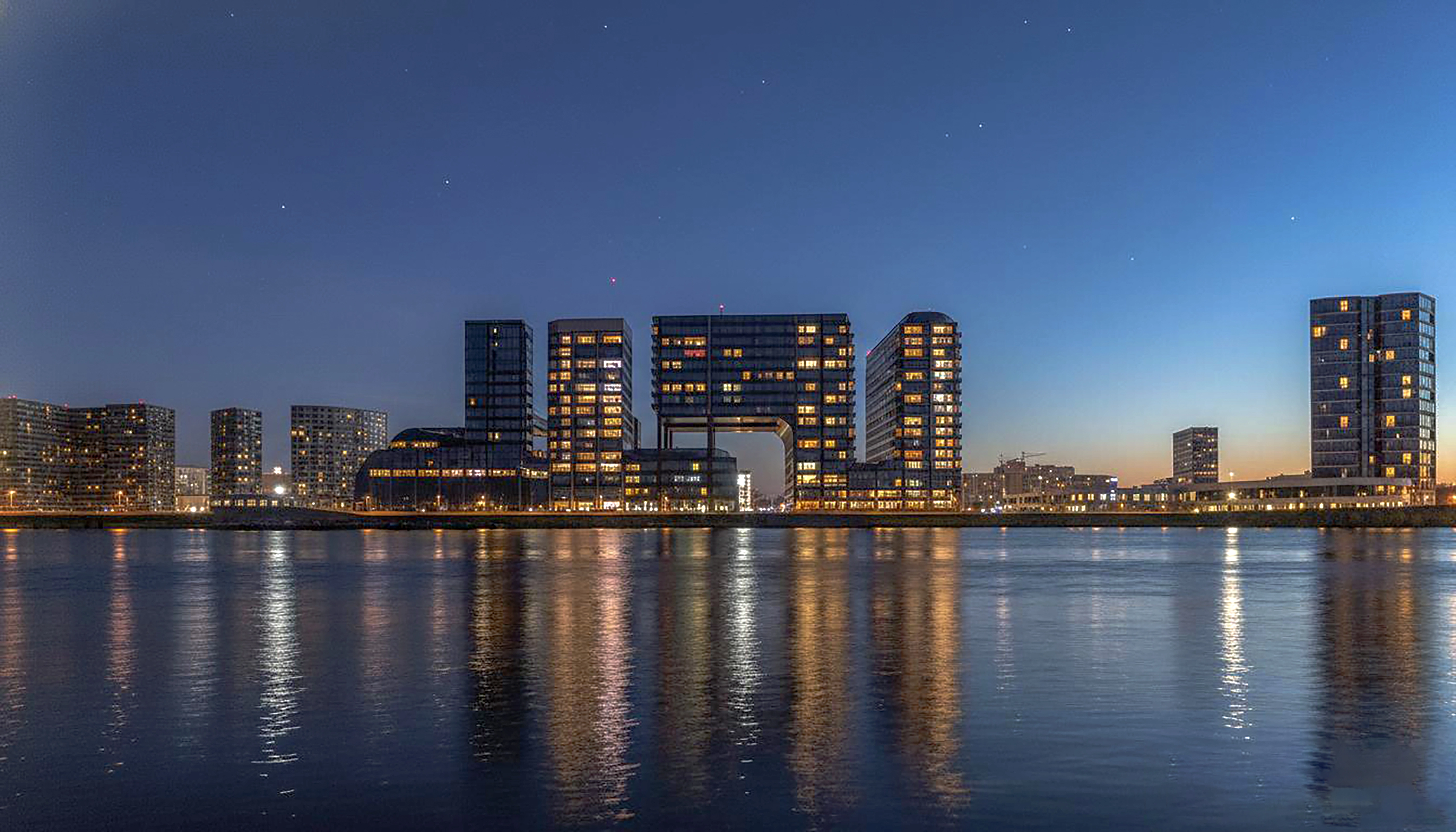
The residential masterplan occupies a site between Sibgat Hakim Street and the Kazanka River, positioned among some of Kazan’s most visible urban landmarks. Rather than competing with this concentration of iconic forms, the project treats them as a fixed urban backdrop. The proposal does not seek to introduce a new landmark. Housing is conceived as a field condition composed of repetition and variation, allowing domestic life to unfold against the already expressive city. Architecture operates quietly, prioritizing organization, scale, and spatial continuity over formal singularity.
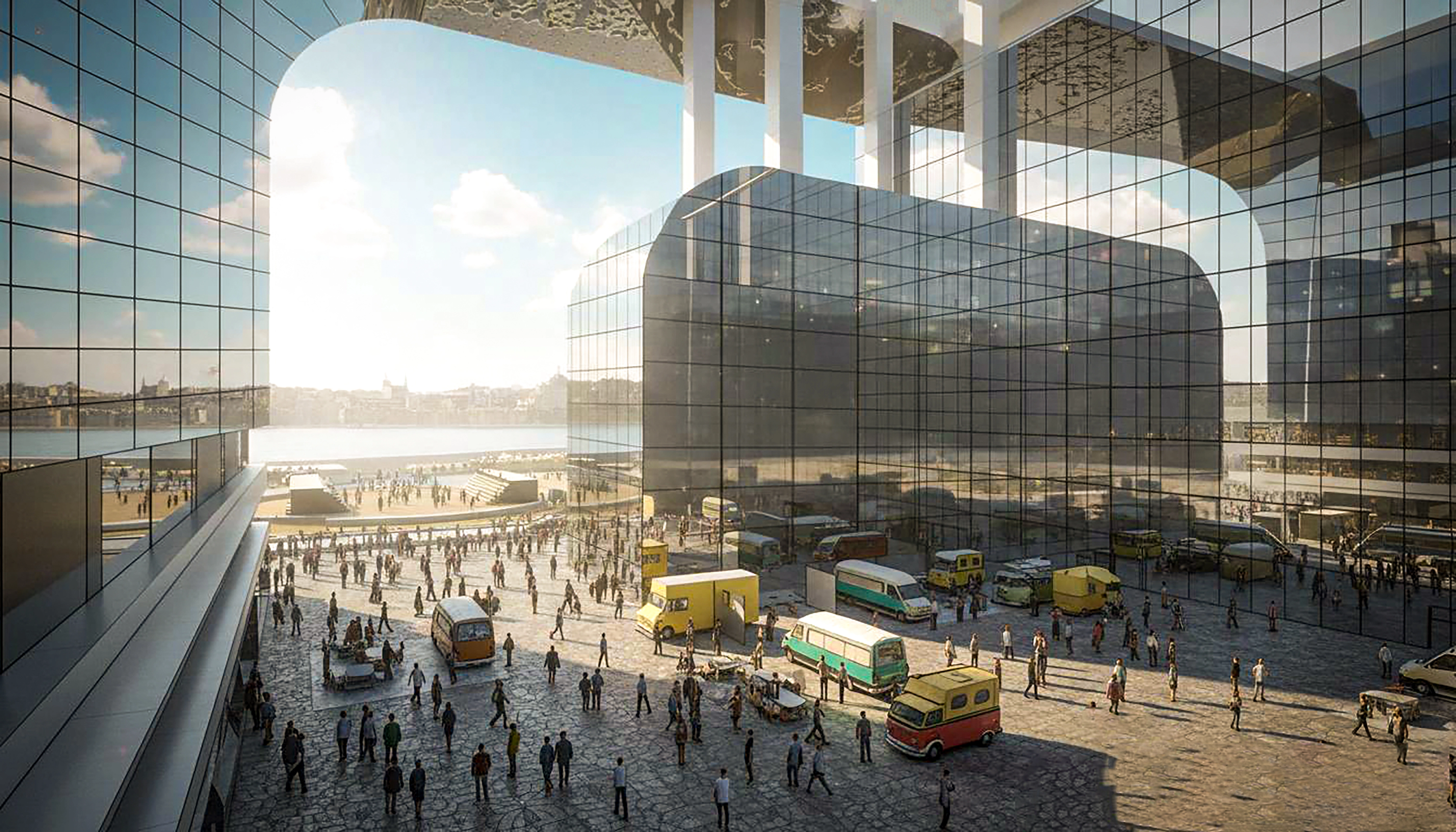

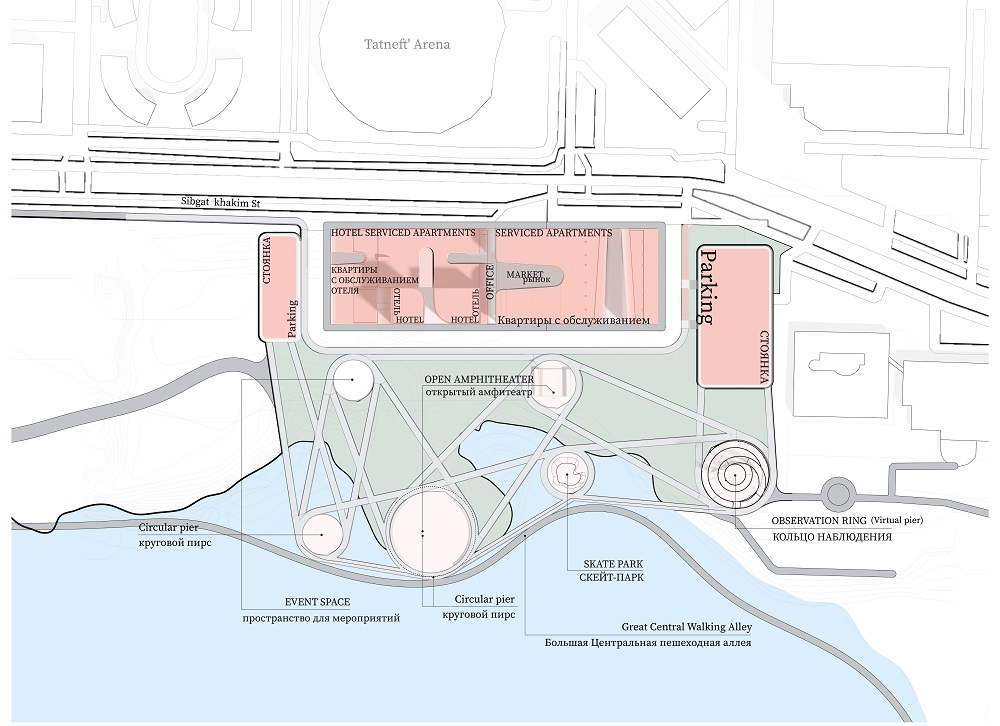
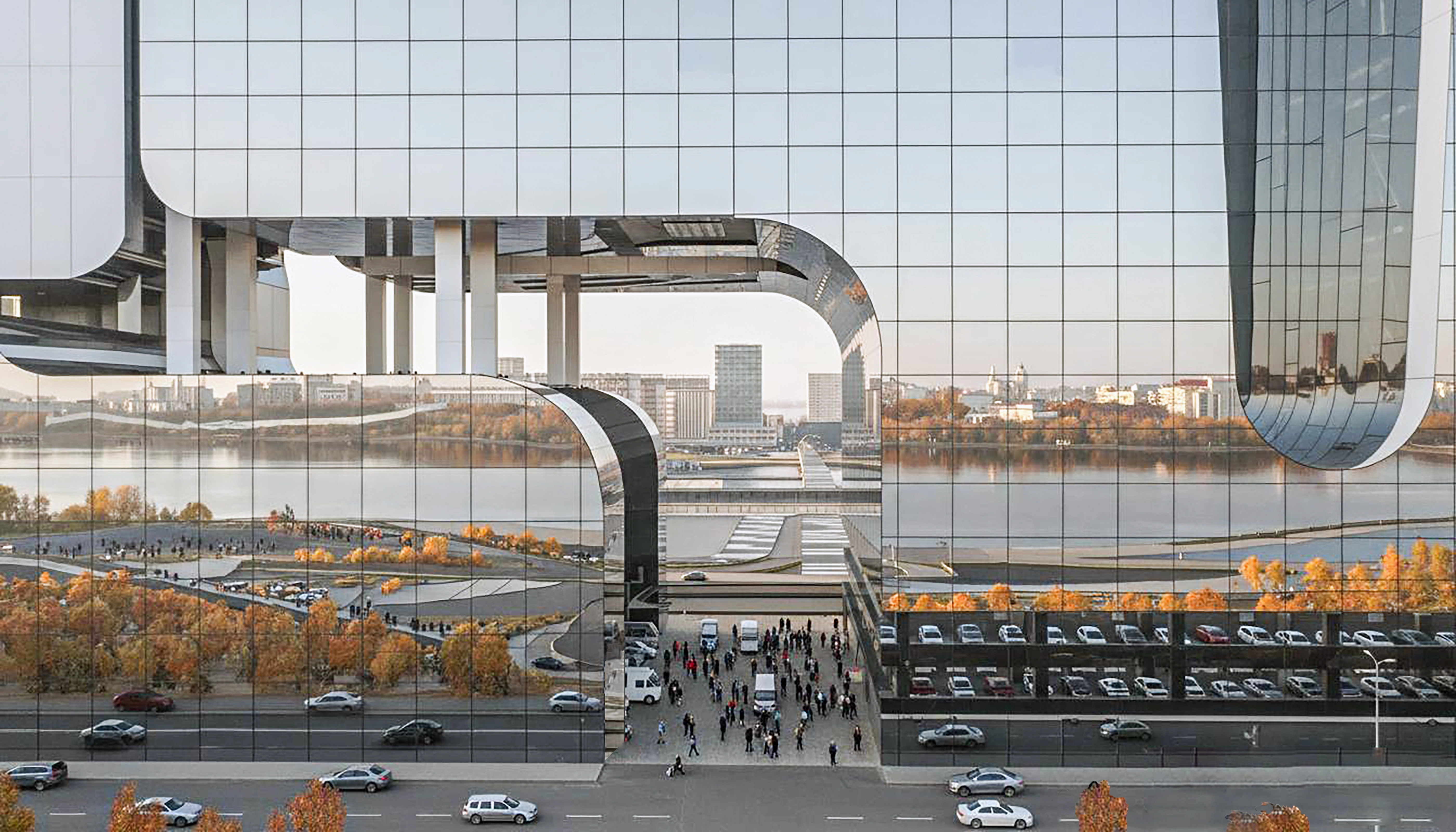
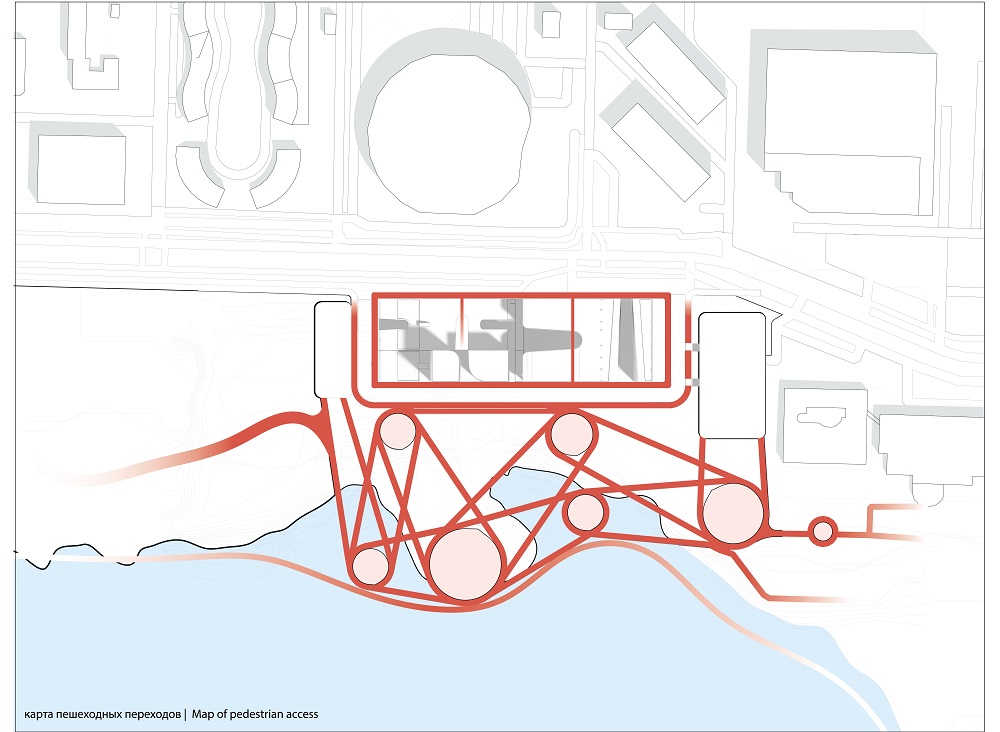
Given the density of surrounding visual references, the project works through selection rather than accumulation. Buildings are arranged to frame, filter, and occasionally withhold views, producing a calibrated relationship between interior life and the city beyond. Visibility is controlled, not maximized. At the ground level, the residential blocks form a pedestrian-oriented network that supports everyday movement and informal encounter. Public and semi-public spaces emerge from the spacing and alignment of buildings rather than being applied as discrete elements. Flexibility is embedded through clear spatial hierarchies capable of adapting over time. The residential complex functions as an urban mediator rather than an icon. It stabilizes the edge between city and river by accepting the presence of existing landmarks and foregrounding the routines of living.